Generative Artificial Intelligence (AI) is transforming how Small and Medium-sized Enterprises (SMEs) operate, enabling them to streamline workflows, enhance creativity, and make more informed decisions. By focusing on tangible benefits and carefully managing associated risks, SMEs can confidently integrate generative AI into their operations to boost efficiency, reduce costs, and improve customer experiences. This comprehensive guide explores how generative AI works, outlines practical applications tailored to SME needs, highlights key risks to navigate, and offers a structured approach for successful and responsible adoption.
Understanding Generative AI and Its Unique Role
Generative AI is a subset of artificial intelligence that creates new content-such as text, images, audio, code, or data-by learning and extrapolating patterns from large datasets. Unlike traditional AI, which primarily analyses existing data to identify trends, classify information, or support decision-making, generative AI synthesizes original outputs that mimic human creativity and communication. This distinction opens up a wide range of novel applications that go beyond automation into content generation and interactive assistance.
In practice, traditional AI might categorise customer feedback into sentiment groups or predict sales patterns based on historical data. Generative AI, on the other hand, can draft entire customer emails, generate marketing visuals from simple text prompts, translate documents, write code snippets for custom software, or summarise lengthy reports in conversational language. This ability to “create” rather than just “analyse” empowers SMEs to harness AI tools as collaborators in routine and creative tasks, enhancing productivity across departments.
Key Generative AI Models for SMEs
Several generative AI models have gained prominence due to their applicability and accessibility for SMEs:
- Large Language Models (LLMs): These models, such as Open AI’s GPT series, generate human-like text based on contextual prompts. SMEs use LLMs for content creation, drafting communications, summarising documents, and powering chatbots or virtual assistants. Customising LLMs with specific business data can tailor responses to align with organisational tone and requirements.
- Image Generation Models: Tools like DALL·E and Stable Diffusion create high-quality images from textual descriptions. Marketing teams can quickly generate visuals for campaigns, designers can prototype concepts, and online stores can enhance product imagery without costly photoshoots.
- Code Generation Models: AI models like Codex assist software developers by writing code snippets, automating repetitive programming tasks, or generating scripts for workflow automation. SMEs with limited IT resources benefit from accelerating digital transformation initiatives this way.
- Multi-modal Models: These advanced systems process and generate combined content types (e.g., text with images or sound), enabling more interactive applications such as AI-powered presentations or enhanced data visualisations.
Among these, LLMs often serve as the most practical starting point for SMEs due to their wide-ranging capabilities, ease of integration via APIs, and immediate value in content-related workflows.
Practical Applications of Generative AI for SMEs
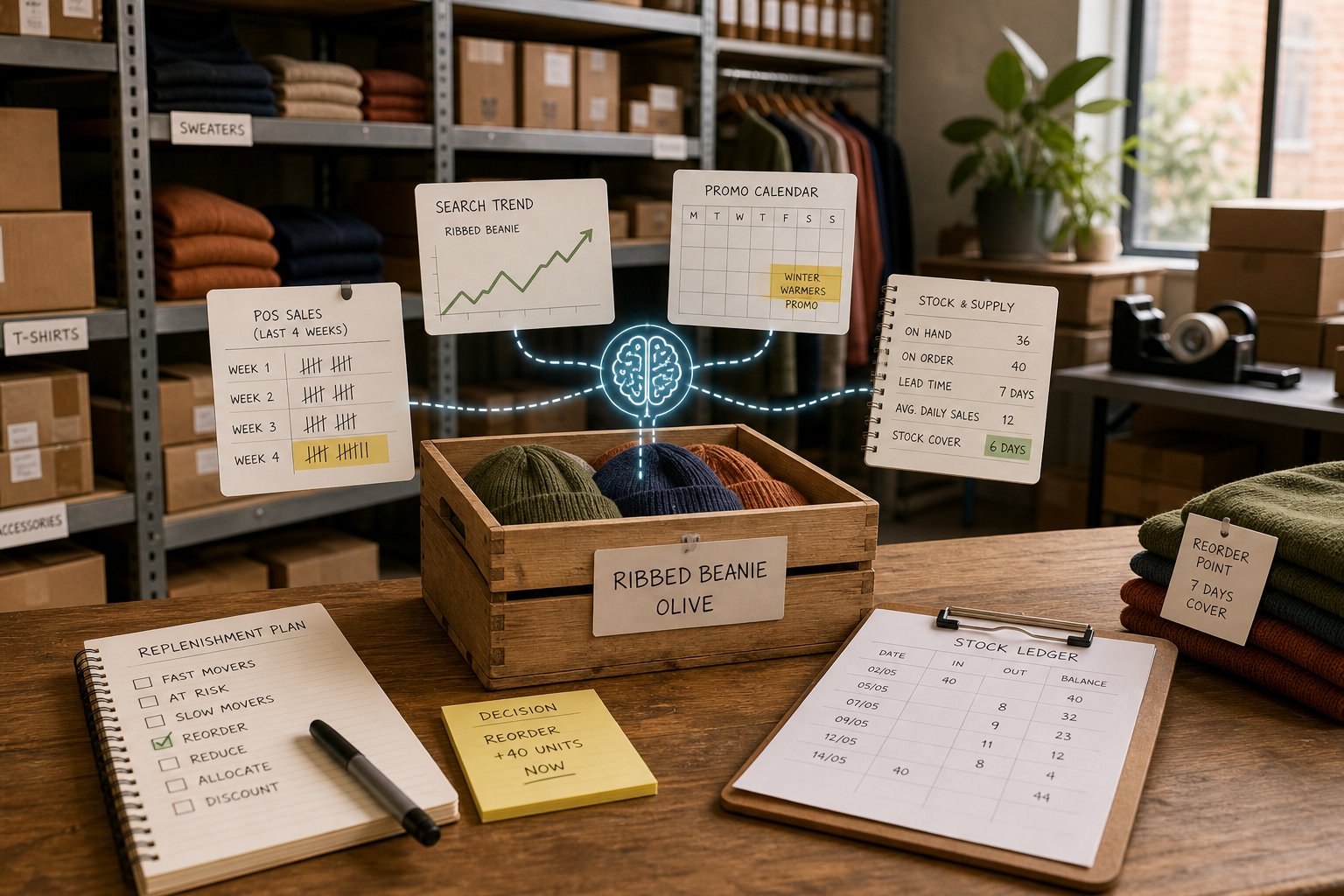
Deploying generative AI solutions can yield measurable improvements across various SME functions. Consider the following use cases demonstrating how AI accelerates operational efficiency and enriches customer interactions:
Marketing and Communications
- Automate creation of diverse content such as blog articles, newsletters, social media posts, and personalised email campaigns. AI-generated drafts enable marketing teams to produce high volumes of quality material rapidly, freeing time for strategic planning.
- Develop targeted messages customised to customer segments by leveraging AI’s ability to analyse previous communications and behaviour data.
- Generate creative assets, including logos, banners, and promotional images, reducing dependence on external designers and shortening turnaround times.
Customer Service and Support
- Automate responses to common customer inquiries via AI-powered chatbots or virtual assistants, providing instant, round-the-clock support that increases satisfaction and reduces workload on support staff.
- Summarise complex customer issues or interaction histories to equip human agents with quick contextual insights for better problem resolution.
- Draft and personalise follow-up correspondence, surveys, or feedback requests ensuring consistent communication.
Finance and Administration
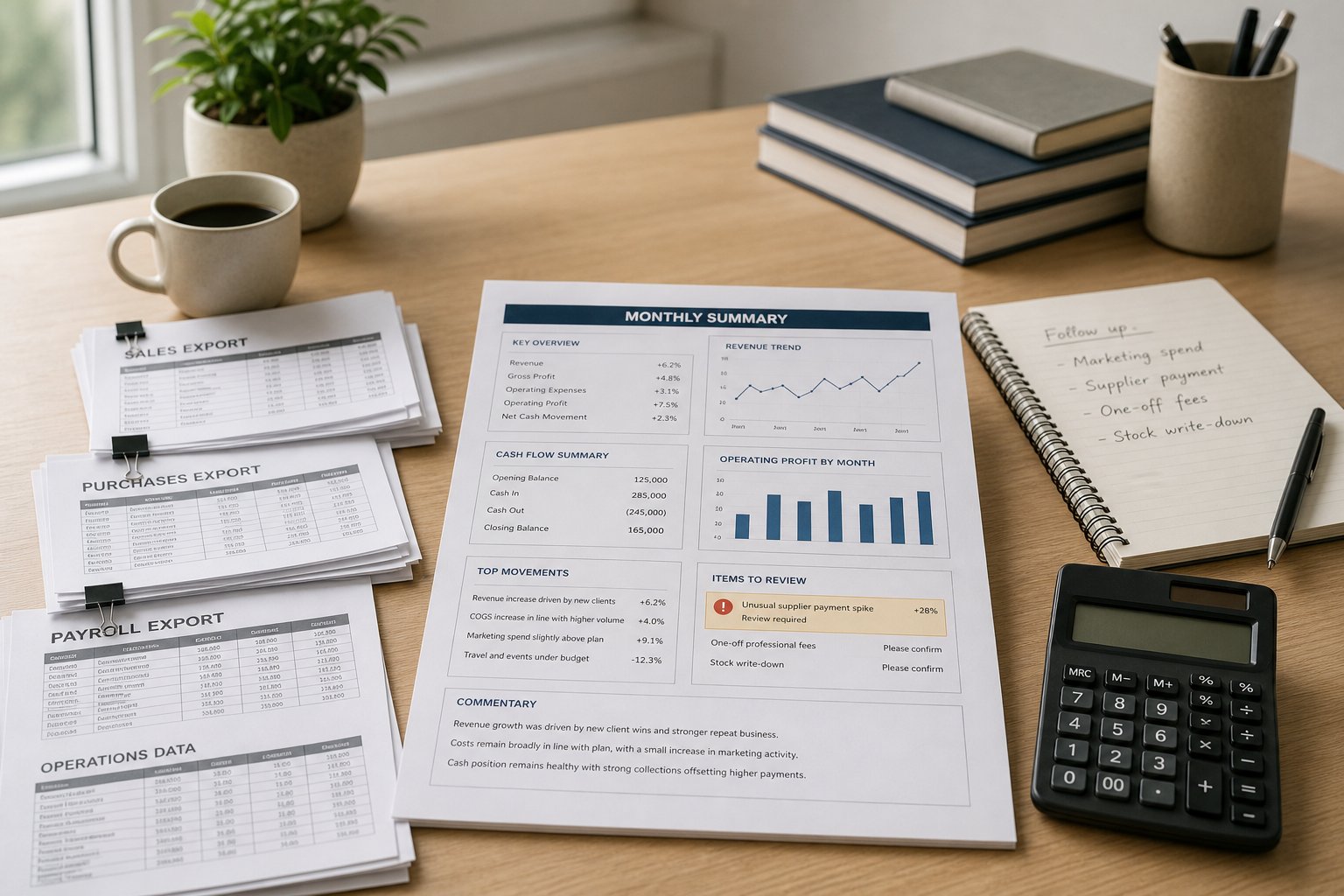
- Generate financial reports such as summaries, forecasts, and budget analyses automatically, significantly cutting hours spent on manual data processing and reconciliation.
- Prepare compliance documents or audit trails by synthesising relevant transaction data into readable formats.
- Build AI-driven automation scripts for repetitive back-office workflows like invoicing, expense categorisation, or payroll notifications.
Sales and Business Development
- Create tailored sales proposals, quotations, and follow-up emails, adapting language to diverse client profiles and preferences.
- Automate routine customer outreach, appointment scheduling, and lead qualification via conversational AI systems integrated into CRM platforms.
- Analyse past deal data to generate insights that inform strategy and pitch development.
Operations and Product Development
- Develop process documentation, user manuals, and training materials through AI-assisted writing programmes.
- Generate design mock-ups or conceptual visualisations to jumpstart product ideation sessions.
- Automate routine coding or scripting tasks required for internal tools and systems optimisation.
A real-world example illustrates this impact: An SME in the e-commerce sector introduced an AI assistant to draft customer support messages and automate query triaging. As a result, resolution times decreased by 30%, support staff hours were cut by 25%, and customer satisfaction ratings improved significantly.
Navigating Risks and Limitations
While generative AI presents exciting opportunities, SMEs must remain vigilant of inherent challenges to ensure effective and ethical use:
- Accuracy and Reliability: AI-generated content may contain factual inaccuracies, incomplete information, or unintended misrepresentations. Human review and validation remain essential safeguards before distribution or decision-making.
- Data Bias and Fairness: Many AI models inherit biases present in their training datasets, which can inadvertently perpetuate stereotypes, unfair practices, or misleading conclusions. SMEs should audit AI outputs regularly and implement bias mitigation practices.
- Data Privacy and Security: Sensitive business and customer information used for customising AI models or trainings must be managed securely, with robust access controls and compliance to relevant data protection regulations.
- Dependence and Skill Erosion: Over-reliance on AI tools risks diminishing employees’ critical thinking and domain expertise. It's important to maintain a balanced approach combining human judgement with AI assistance.
- Costs and Resource Allocation: Subscription fees for advanced AI platforms, infrastructure investments, and training programs require careful financial planning to ensure demonstrable return on investment.
By establishing a clear governance framework that addresses these considerations, SMEs can harness generative AI’s benefits while minimizing exposure to potential pitfalls.
Establishing a Governance Framework for Responsible AI Use
A structured approach to AI governance supports sustainable growth and ethical compliance. Key elements include:
- Data Management and Access Control: Define which datasets are used for AI training and ensure sensitive information is protected. Limit user permissions to reduce unauthorised data exposure.
- Opportunity Prioritisation: Evaluate AI projects based on potential business value balanced against complexity and risk. Encourage pilot programmes with measurable KPIs.
- Human Oversight: Assign clear responsibility for reviewing AI-generated outputs, especially in high-stakes contexts such as customer communication or financial reporting.
- Ethical Standards and Transparency: Develop policies to avoid misleading use of AI, disclose automated interaction when appropriate, and ensure fairness and accountability.
- Staff Training and Competency Development: Educate employees about AI capabilities, limitations, biases, and correct use cases to promote informed adoption.
- Continuous Monitoring and Review: Implement regular audits to assess AI performance, quality of outputs, emerging risks, and compliance with policies. Adjust approaches based on evolving insights and technology advances.
Such a governance framework integrates naturally into existing organisational structures and lays the foundation for scalable AI adoption aligned with business objectives.
Actionable Steps for SMEs to Begin Using Generative AI
SMEs can start their AI journey through a phased, practical plan:
- Engage in an AI Discovery Workshop: Collaborate with AI experts to assess your business context and identify AI opportunities with tangible impact and manageable risks.
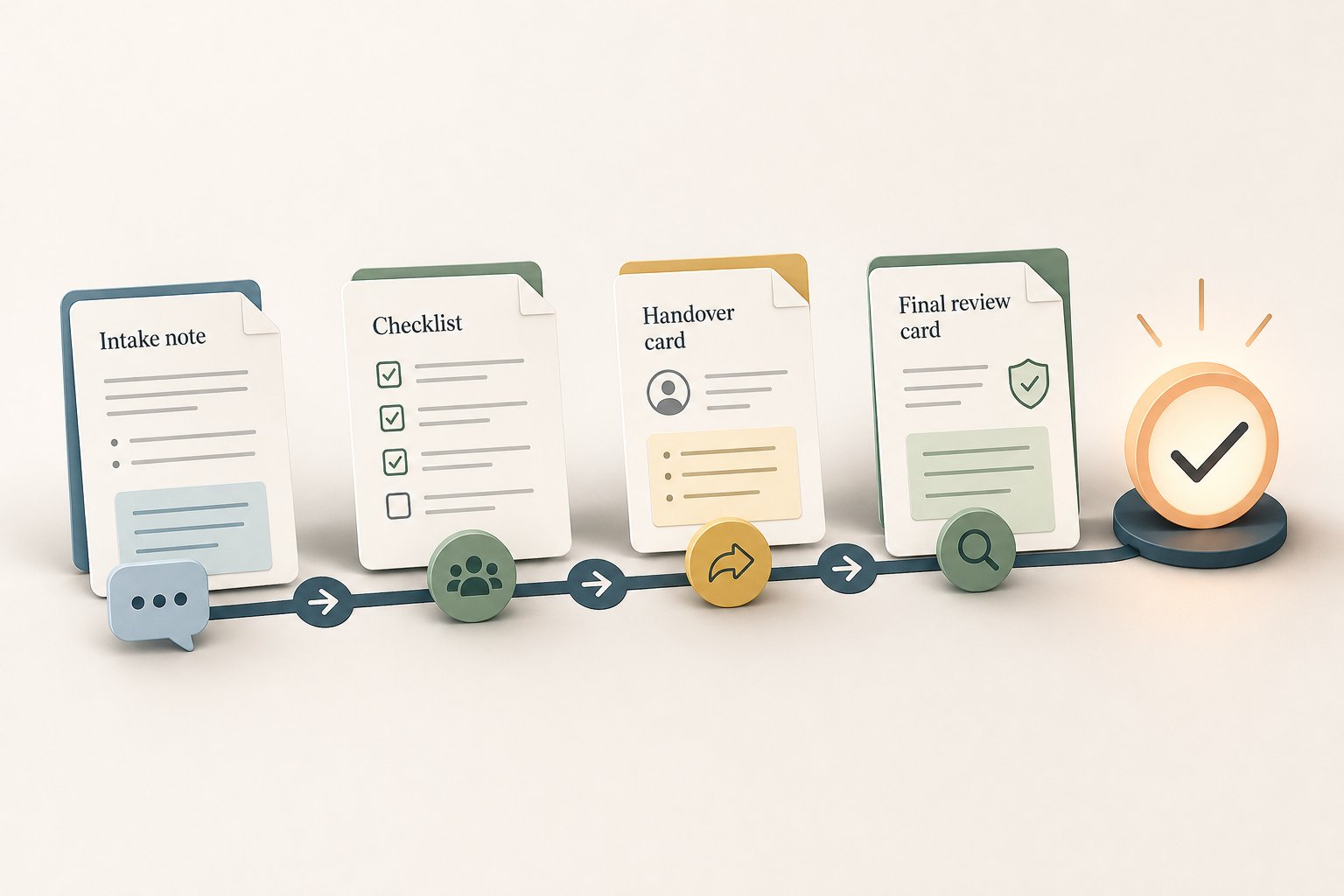
- Map Current Processes: Conduct comprehensive reviews and team interviews to determine where AI can automate repetitive tasks, augment decision-making, or enhance customer engagement.
- Prioritise Projects: Select pilot initiatives with clear metrics for success, such as time savings, cost reductions, or quality improvements.
- Develop or Integrate AI Solutions: Build custom AI assistants, deploy off-the-shelf platforms, or integrate AI features into existing IT systems, ensuring seamless workflows.
- Train Your Workforce: Deliver targeted training sessions to equip staff with knowledge on operating AI tools effectively and responsibly.
- Plan for Ongoing Support and Governance: Schedule periodic reviews to monitor AI outcomes, manage risks, refine models, and scale successful implementations.
Book an AI Discovery Workshop
Starting with smaller, well-scoped projects allows SMEs to gain early wins, build organisational confidence, and continuously adapt AI adoption aligned with strategic goals.
Our expert team helps you identify AI-powered solutions that save time, reduce costs, and enhance decision-making precision. Embark on your practical AI adoption journey with confidence and measurable results.