
For many SMEs, a process does not fail in one dramatic moment. It slows quietly. An approval sits untouched, an order waits for one missing detail, a handover gets stuck between teams, and the delay only becomes visible when customers are already waiting. AI can help by watching the signals that sit across connected systems and surfacing patterns early enough for someone to act.
The value is not in adding another dashboard that people check once a week. It is in turning scattered process data into an earlier warning system. For leaders who already know work gets stuck, the question is how to see it sooner, decide faster, and focus effort where it will save time rather than create more admin.
Why bottlenecks are so hard to spot in real time
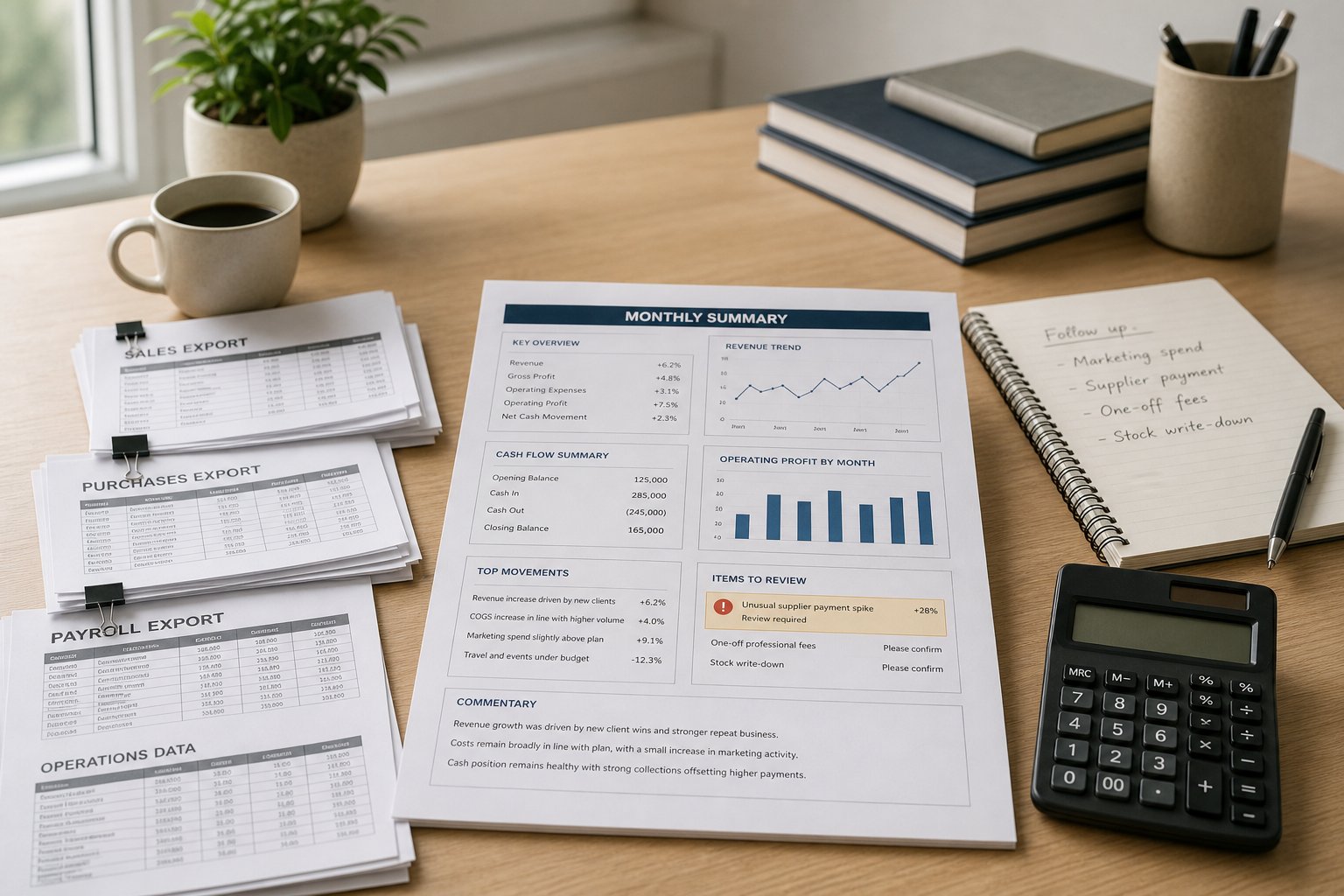
Most SMEs do not run on one neat system. They use a mix of finance tools, CRM platforms, inboxes, spreadsheets and specialist software. Each one holds part of the story, but the delay often appears between systems rather than inside one of them.
That makes bottlenecks hard to spot from a single report. A task may look fine in one tool while the real slowdown happens when it waits for a colleague to approve it, when data has to be retyped, or when one team finishes its part faster than the next team can pick it up. By the time someone notices the queue, the lost time has already spread to customers, cash flow or internal workload.
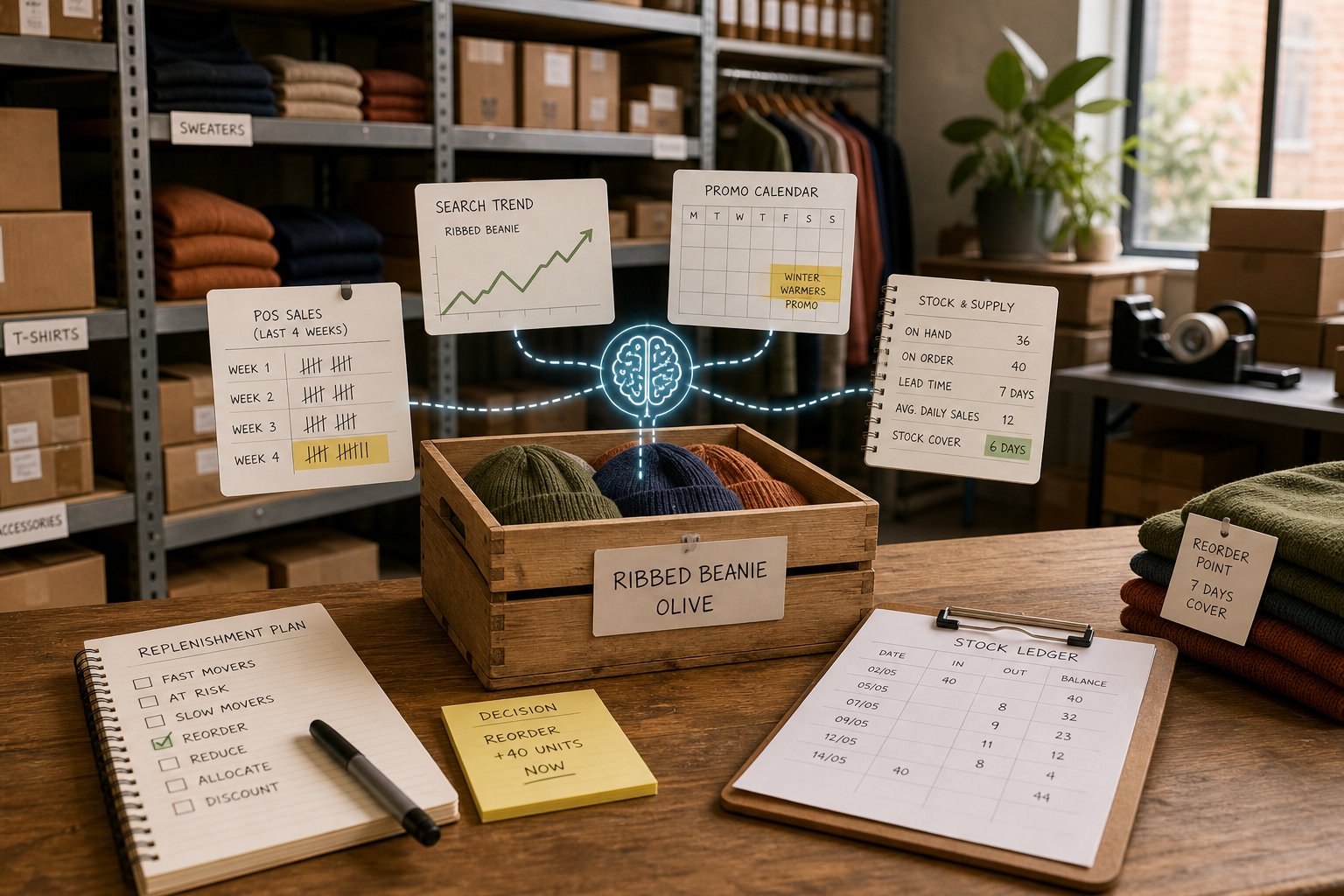
This is where AI for SMEs becomes useful. Not because it replaces operational judgment, but because it can compare patterns at a scale humans struggle to maintain. It can look for the signs that something is starting to drift, such as unusual wait times, growing backlogs or repeated rework, and bring those issues into view while they are still manageable.
What signals AI can watch across your systems
AI is most useful when it watches process signals that already exist in your SME operating systems. Those signals do not need to be complicated. In fact, the best ones are usually simple indicators of flow, delay and handover quality.
Common examples include:
- Time spent in each stage of a process.
- The number of items waiting for approval.
- Repeated changes to the same record.
- Tasks that move back and forth between teams.
- Orders or requests with missing information.
- Exception rates, such as items that do not follow the normal path.
AI can combine those signals and look for patterns that suggest a process is changing, not just running slowly once. For example, a small rise in waiting time across three stages may be more important than one large delay in a single stage. That pattern can point to a resourcing issue, a confusing approval rule, or a dependency that has become too fragile.
The practical point is that AI works best when the data is tied to a clear operational pain point. If the business already knows where delays hurt most, AI can be set to monitor those stages rather than scanning everything equally. That keeps the focus on measurable value instead of vague automation.
Where bottlenecks usually show up first
Some bottlenecks are easier to spot than others, because they leave a visible trail in the process.
Order processing
In order processing, delays often start when information is incomplete or when manual checks slow down release. AI can flag orders that keep being returned for missing details, or routes that take longer than usual because a manual review step is backing up.
The useful insight is not simply that orders are late. It is that the pattern may reveal one repeated cause, such as a form that customers misunderstand or a handoff that needs clearer rules. Fixing that upstream issue is usually better than asking staff to chase each order harder.
Approvals
Approval workflows often create hidden queues. A request can sit for hours or days without anyone noticing because the task has technically been assigned, even though it has not moved.
AI can monitor the age of pending approvals, identify which approval path is slowing most often, and highlight whether the delay sits with one person, one role or one type of request. That gives leaders a better basis for deciding whether to change thresholds, add a backup approver, or simplify the approval policy.
Delivery and fulfilment
In delivery and fulfilment, bottlenecks can appear when one team works at a different pace from the next. If picking, packing, dispatch or courier booking cannot keep up with incoming demand, queues build quickly.
AI can help identify whether the problem is demand spikes, staffing, scheduling or a recurring exception in the process. That matters because a delivery delay may look like a logistics issue while the real cause sits earlier in the workflow, such as stock data that arrives too late or an exception that always needs manual intervention.
How to act when AI flags a bottleneck
An alert is only useful if someone knows what to do next. The point is not to create more noise. It is to give managers a clearer trigger for action.
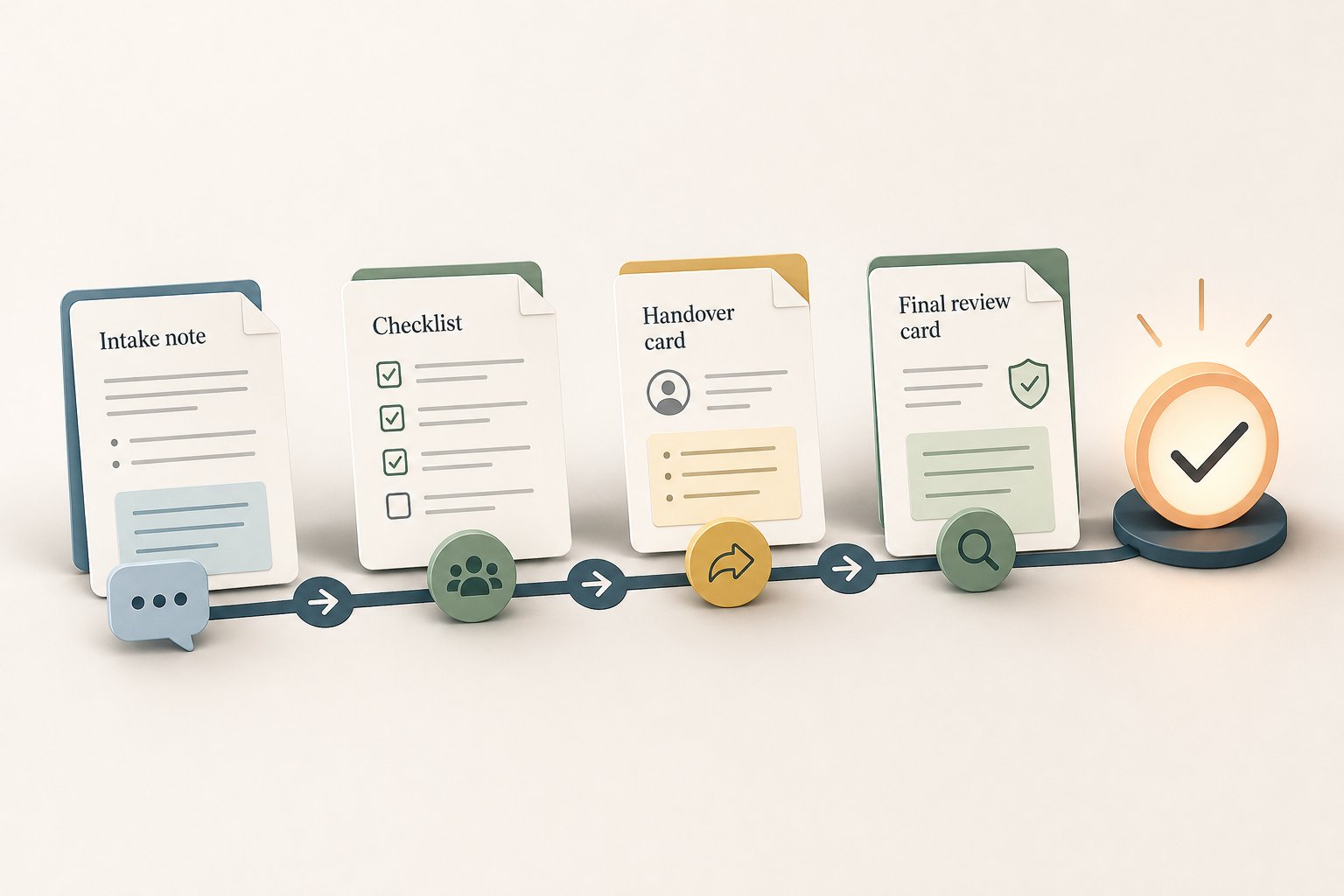
A simple response framework works well:
- Check whether the issue is a one-off or a pattern.
- Identify where the delay starts, not just where it ends.
- Decide whether the fix is operational, procedural or system-related.
- Assign one owner to the next step.
- Review whether the same signal appears again after the change.
That sequence matters because bottlenecks are often treated as isolated incidents when they are really symptoms of a process design issue. If AI shows that the same queue keeps forming, the business can stop firefighting and decide whether to change the rule, remove a handoff, improve data quality or rebalance capacity.
For SME leaders, the best response is usually small and specific. A process does not need a full transformation programme to improve. It may need a cleaner approval path, a better handover rule, or an early warning threshold that prompts action before the backlog grows.
How to measure whether faster intervention is working
If AI is helping you spot bottlenecks earlier, the benefit should show up in the numbers you already care about. The measurement does not need to be complicated, but it does need to be consistent.
Useful measures include:
- Time saved between the first warning and the action taken.
- Fewer items stuck in a queue at any one time.
- Shorter end-to-end cycle times.
- Reduced rework or repeated handovers.
- Fewer customer delays caused by internal waits.
It also helps to compare before and after at the process level, not only at the business level. A company-wide average can hide the fact that one stage has improved while another has worsened. If the aim is better process visibility, the proof should sit where the bottleneck started.
The other thing to watch is whether the team is acting on the alerts or ignoring them. If alerts are frequent but nothing changes, the issue may be that the signals are too broad, the threshold is wrong, or the response process has not been defined properly. In that case, the problem is not the AI itself. It is the operating model around it.
Making AI useful in an SME, not just visible
AI creates value when it helps people make better decisions faster. For SMEs, that usually means starting with one painful process, defining the signals that matter, and using them to catch delays before they spread.
That is the practical route into ai for smes. Start with a bottleneck that already costs time or customer goodwill. Connect the relevant data. Decide what early warning looks like. Then use the insight to improve decision-making, not to add another layer of reporting.
If you want to explore where AI could reveal avoidable delays in your own operation, a short opportunity assessment or discovery conversation is often the easiest next step. It is a low-pressure way to see where measurable value is most likely to come from.