Ambitious SMEs aiming to enhance operations and achieve measurable returns are increasingly exploring automation. However, confusion between AI automation and traditional workflow automation can slow progress and obscure real opportunities. This guide explains what AI automation means for your business, how it differs from standard process automation, practical applications relevant to SMEs, and a clear approach to implementation that prioritises adoption and measurable impact. You’ll also find advice on managing risks and selecting projects that fit your unique environment.
What Is AI Automation, and How Is It Different from Workflow Automation?
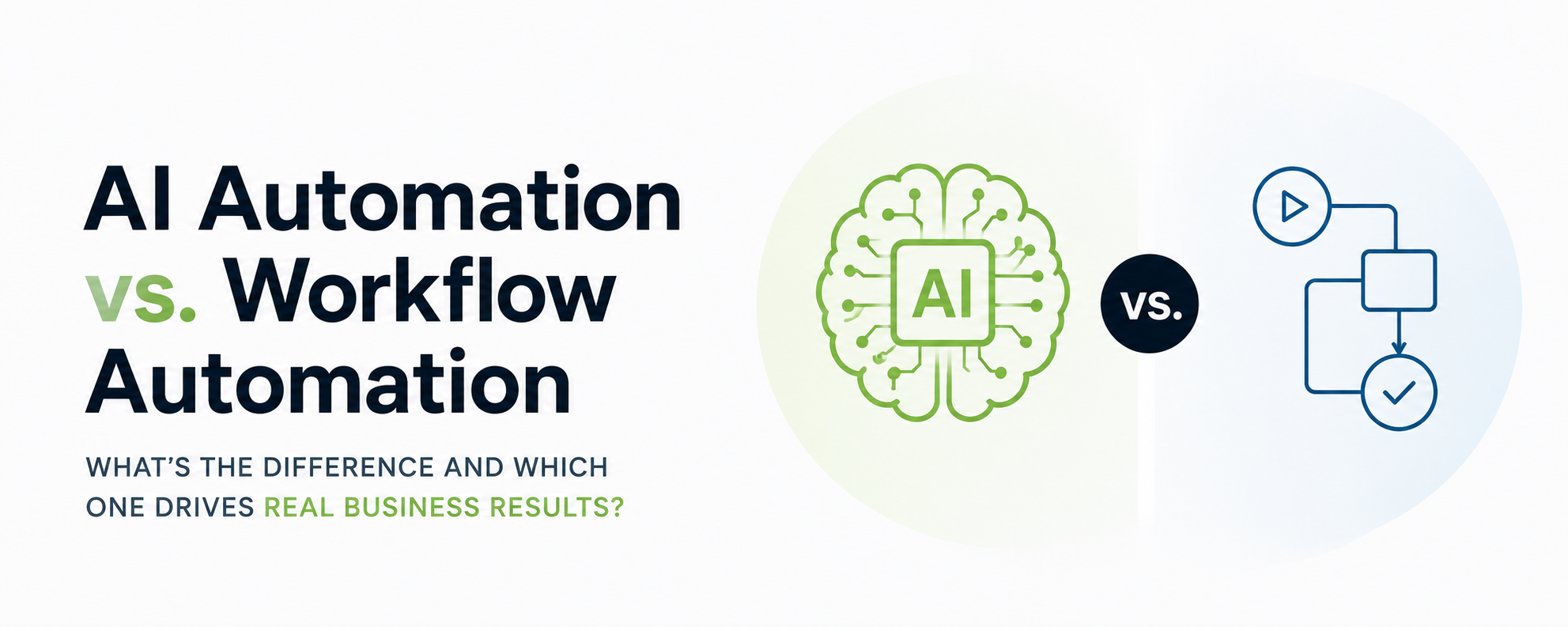
AI automation uses artificial intelligence technologies like machine learning, natural language processing, and AI assistants to handle tasks requiring human-like understanding and judgement. Examples include interpreting language, recognising images, analysing complex patterns, or predicting outcomes.
In contrast, workflow automation focuses on automating repetitive, rule-based processes such as routing approvals, sending reminders, or transferring structured data between systems.
Key differences:
- Task nature: AI handles tasks with variability or ambiguity, like understanding customer emails. Workflow automation manages predictable, rule-driven tasks, for example, automatically routing invoice approvals.
- Learning ability: AI systems improve with new data over time. Workflow tools require manual updates for any process changes.
- Data inputs: AI works with unstructured data including text and images; workflow automation deals primarily with structured fields.
- Outcome goals: AI assists or replaces human decision-making in complex tasks. Workflow automation reduces manual effort on standard procedures.
Example: An AI assistant summarising incoming customer emails, assessing urgency, and suggesting replies applies AI automation. A system that simply forwards emails to the right team based on fixed rules is workflow automation.
Practical AI Automation Use Cases for SMEs
SMEs can achieve measurable improvements across departments by deploying AI automation on the right use cases:
Customer Support
AI assistants interpret customer queries in natural language, provide instant answers to common questions, and escalate complex issues. This reduces wait times and allows your team to focus on high-value interactions.
Financial Processes
AI models automatically extract data from invoices and receipts, spot anomalies, and forecast cash flow. This cuts administrative work and provides quicker, more accurate insight for decision-makers.
Sales and Marketing
AI generates personalised content, suggests products based on customer profiles, and optimises campaign timing using behavioural data. This increases conversion rates without extra manual effort.
Inventory and Supply Chain
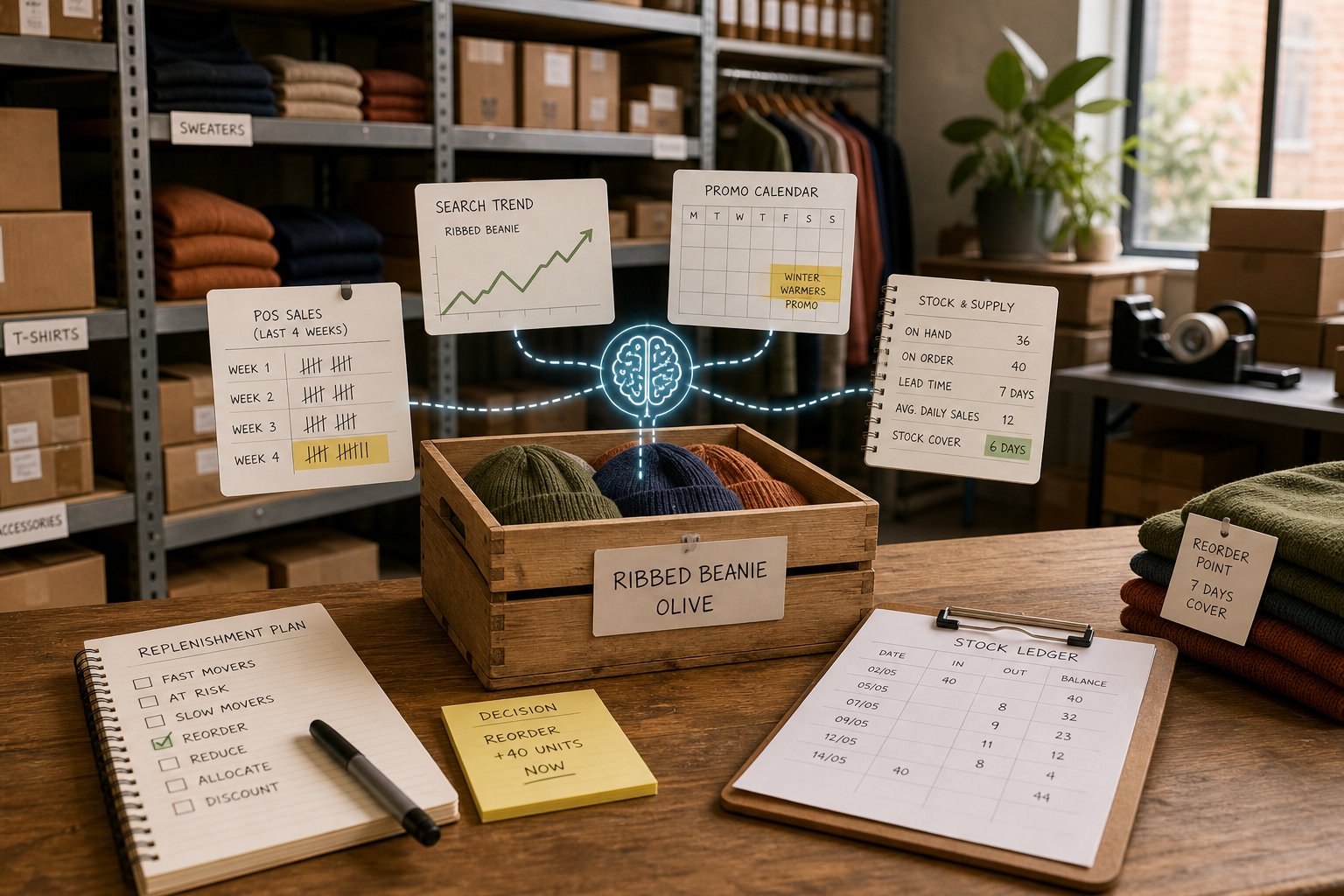
AI predicts demand, schedules reordering, and detects supplier risks by analysing sales data and external factors. This lowers stock holding costs and reduces delays.
HR and Recruitment
AI scans CVs, ranks candidates by relevant skills, and manages interview scheduling. This speeds up hiring and eases administrative burdens on your HR team.
Document Processing
AI extracts key details from contracts, orders, or forms, converting unstructured text into actionable data without manual entry.
AI Tools Suitable for SMEs
When selecting AI tools, focus on options that fit your existing systems, offer manageable learning curves, and allow gradual scaling:
- AI Assistants and Custom GPTs: Use these to develop virtual assistants or chatbots tailored to your business needs, improving internal or customer communications.
- Robotic Process Automation (RPA) with AI: Extends traditional process automation by handling unstructured data such as documents or emails.
- AI-Powered Analytics: Offers actionable insights in finance, sales, or customer behaviour with user-friendly dashboards.
- Document AI Platforms: Automates extraction of invoice or contract data to reduce manual input.
- Connected Systems Middleware: Links AI tools to your current software and databases to maintain smooth workflows and data consistency.
Choosing solutions aligned with your team’s capacity ensures successful adoption and measurable benefits.
Implementation Approach for Measurable Results
A business-first AI automation strategy involves clear steps with a focus on your team and outcomes:
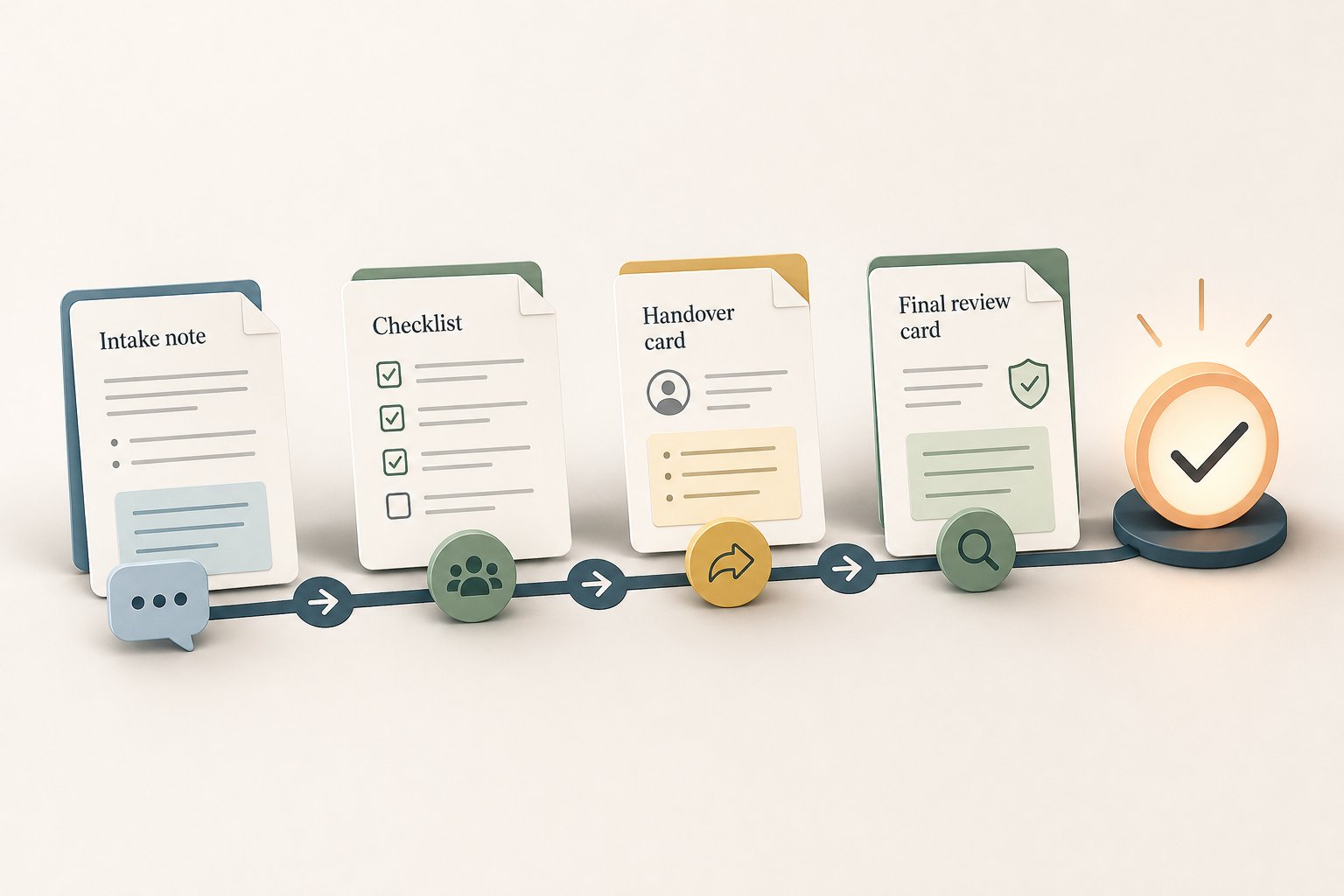
Opportunity Prioritisation
Identify processes with high potential impact and feasibility. Look for repetitive tasks, heavy data handling, or areas needing decision support. An AI discovery workshop is a practical way to gather this insight.
Process Review and Team Interviews
Map current workflows and engage the people involved. Their input reveals pain points and uncovers where AI can add value without disrupting operations.
Proof of Concept Development
Create small-scale pilots focused on a single task, such as triaging customer emails. Aim for quick wins—improvements that save time or increase accuracy.
Adoption and Training
Train your team on how AI fits their daily work, addressing concerns and setting realistic expectations. Clear guidance supports confidence and uptake.
Integration and Scaling
Once pilots prove successful, connect AI tools with existing systems and expand gradually to other business areas.6. Review and Optimise
Regularly track results and adapt AI models as your business changes. Quarterly reviews keep the partnership proactive and aligned with priorities.
Managing Risks in AI Automation
AI automation requires careful attention to risks that could affect trust and outcomes:
- Data Quality and Privacy: Accurate, relevant data is essential. Confirm compliance with data regulations when handling personal information.
- Appropriate Automation Levels: Avoid applying AI where human oversight remains critical. Select projects where AI’s benefits are clear and measurable.
- Change Management: Address potential resistance by involving users early, communicating benefits, and providing training.
- Technical Integration: Plan carefully to avoid bottlenecks with legacy systems. Connected systems reduce friction.
- Ongoing Maintenance: AI models need updates to remain effective. Arrange support to ensure reliability over time.
Prioritising AI Automation Projects
Make the most of your resources by selecting initiatives based on:
- Business Impact: Target tasks where automation saves significant time or improves quality.
- Feasibility: Evaluate data availability, system capability, and staff skills.
- Adoption Readiness: Consider how smoothly AI fits with existing workflows and leadership support.
- Scalability: Start with focused pilots that can extend to other areas as confidence grows.
- Risk Considerations: Account for data sensitivity, compliance, and operational dependencies.
Balancing these factors helps you start small, demonstrate measurable progress, and confidently scale your AI initiatives.
Ready to find AI automation opportunities tailored to your SME? Book an AI opportunity call with Hally AI. Our experienced consultants guide you through identifying practical solutions, piloting focused projects, and supporting your team for successful adoption and measurable commercial impact.
Glossary of Key Terms
- AI Automation: Using AI technologies to perform tasks requiring human-like intelligence.
- Workflow Automation: Software-driven automation of repetitive, rule-based business steps.
- AI Assistant: AI-powered tools that interact using natural language to support tasks.
- Custom GPT: AI models built and customised around GPT technology for specific business needs.
- Connected Systems: Software integrations linking multiple applications and databases to automate workflows.
- Machine Learning: AI’s method of improving performance by learning from data.
- Natural Language Processing (NLP): AI techniques enabling computers to understand and generate human language.
- Robotic Process Automation (RPA): Software “robots” automating routine, rule-based tasks.
- Data Quality: The accuracy and reliability of data used in decision-making or AI modelling.
- Adoption: The process of teams starting to use and accept new AI tools in daily work.