Artificial intelligence is transforming business operations, yet many SMEs struggle to know where to start. While AI tools abound, AI agents are a newer option that offer practical ways to automate multi-step workflows and improve decision-making. Knowing how AI agents differ from chatbots and how they can fit your business strategy will help you invest with confidence and see measurable impact.
This guide explains what AI agents are, how they orchestrate connected tools, and why building solutions around them creates scalable, business-first AI value. You’ll find real-world examples and key considerations to shape your AI roadmap.
What Are AI Agents and How Do They Differ from Chatbots?
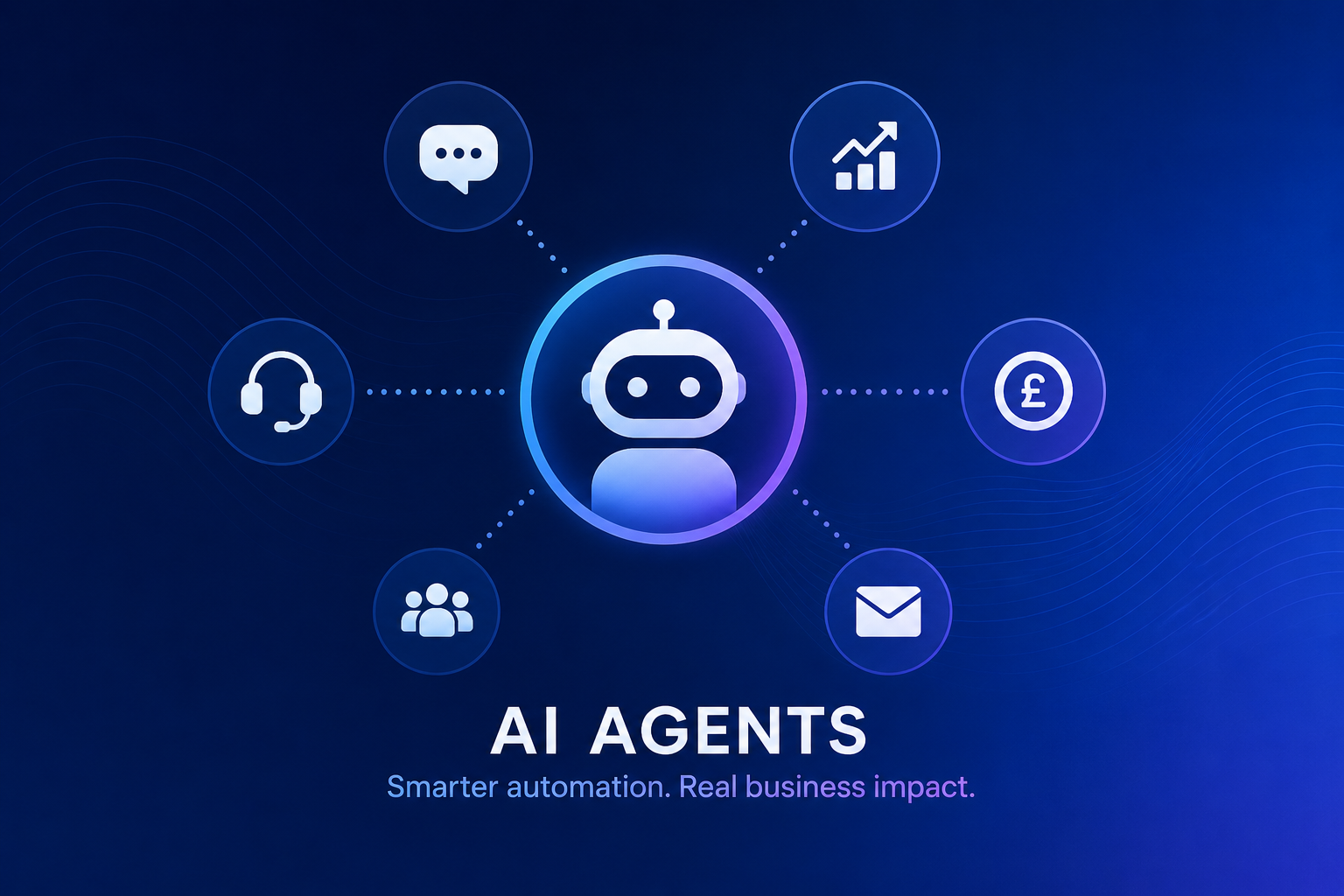
AI agents are software programs that perform tasks independently to meet defined goals by integrating systems, managing processes, and adapting their actions based on context.
In contrast, chatbots respond to conversations within set limits, mainly handling questions or commands one step at a time.Think of AI agents as digital assistants that do more than chat - they coordinate tools and data flows to deliver business outcomes without constant oversight.
How AI Agents Manage Workflows: Orchestration Explained
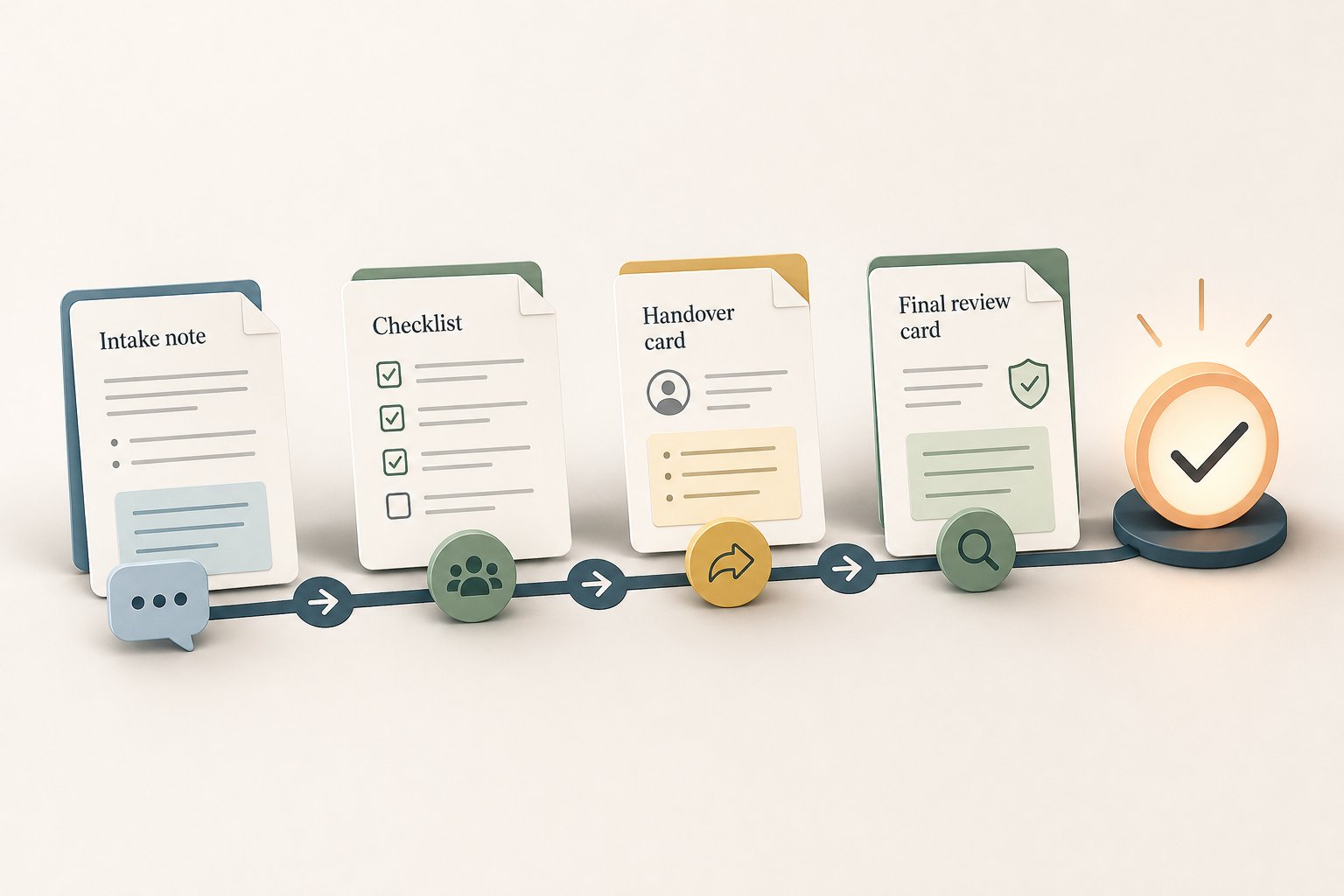
Orchestration means coordinating several tasks, tools, and data sources to complete a complex operation automatically.
An AI agent can:
- Extract details from emails
- Check inventory in your ERP system
- Prepare tailored proposals
- Schedule meetings with clients
All in sequence, with minimal human input.
This replaces time-consuming manual handoffs and avoids reliance on complex IT integrations.
AI agents use:
- Language models to understand and generate text
- APIs to connect internal systems and external services
- Workflow engines to execute tasks in order
- Monitoring functions to flag issues or delays
The result is smoother, faster, more consistent processes that free your team to focus on strategic work.
Multipurpose Computing Platforms (MCP): The Foundation for AI Agents
Multipurpose Computing Platforms provide the environment AI agents need to operate across your business systems.
An MCP includes:
- Data connections to internal databases and cloud applications
- Integrated tools for communication, analytics, and operations
- Hosting and updating AI models, like language or vision systems
- Security controls ensuring data protection and user permissions
With an MCP, your AI agents scale as your needs grow while fitting your existing infrastructure and compliance needs.
Practical Use Cases for AI Agents in SMEs
AI agents create measurable value in many areas of your business.
Customer Support
- Automatically interpret customer messages
- Retrieve account info and log issues
- Escalate complex cases to human agents
Impact: Faster response times and reduced admin load
Sales Management
- Qualify leads from enquiries
- Schedule meetings and send personalised follow-ups
- Track progress through the pipeline
Impact: Shorter sales cycles and higher conversion rates
Financial Operations
- Process invoices and monitor cashflow
- Generate real-time financial insights
- Support accurate forecasting
Impact: Lower reporting time and better financial control
Marketing
- Coordinate content creation and publishing
- Schedule social media posts
- Analyse campaign results for adjustments
Impact: More consistent messaging and data-informed decisions
HR and Recruitment
- Screen CVs and shortlist candidates
- Schedule interviews
- Manage onboarding workflows
Impact: Reduced hiring timelines and improved compliance
Inventory and Supply Chain
- Monitor stock levels and predict reorder points
- Communicate orders to suppliers
- Avoid stockouts and excess inventory
Impact: Leaner inventory management and cost savings
Each use case shows how AI agents connect systems and processes to solve real business challenges with clear metrics.
Key Benefits of AI Agents for SMEs
- Save Operational Time: Automate repetitive, manual tasks
- Increase Accuracy: Minimise human errors in data and decisions
- Speed Up Decisions: Access near real-time insights from integrated data
- Optimise Resources: Streamline workflows and reduce vendor dependency
- Scale Automation Step-by-Step: Prioritise high-impact areas first
- Support Team Adoption: Autonomous agents encourage confident AI use
These benefits deliver measurable commercial outcomes aligned with your strategic goals.
Important Considerations When Adopting AI Agents
- Data Security and Compliance: Control access and comply with regulations
- Maintain Human Oversight: Avoid over-automation that could harm service quality
- Integration Effort: Prepare for connecting AI to legacy systems with specialist support
- Project Scope Control: Define clear milestones to prevent cost and complexity creep
- Monitor for Bias: Regularly review AI decisions to ensure fairness and accuracy
A clear, business-first framework with ongoing reviews safeguards value and adoption success.
The Future of AI Agents in SMEs
Advancements to watch:
- Improved understanding of specific business contexts for smarter decisions
- Wider integrations connecting more tools and data sources
- Agents that learn and optimise workflows continuously
- Custom GPTs tailored for industry-specific functions
- Enhanced transparency providing clear explanations about AI decisions
Staying informed enables you to prioritise developments that drive practical impact for your business.
Real Example: Automating Purchase Order Approvals
A wholesale SME reduced purchase order delays by 40% with an AI agent:
- The agent extracts order details from emails
- Checks inventory and budget constraints automatically
- Approves orders meeting criteria, routing others to managers
- Provides finance real-time visibility of purchase activity
This solution cut manual steps and improved transparency without disrupting existing workflows.
Practical Steps for SMEs to Get Started
- Hold an AI opportunity workshop to map workflows where agents add value
- Prioritise measurable improvements like saving admin time or speeding decisions
- Build AI agents gradually, integrating systems in phases
- Provide training and ongoing support to boost team confidence
- Design projects with security and compliance from the start
- Partner with experienced AI consultants focused on practical, measurable outcomes
Glossary of Terms
- AI Agent: Software that independently performs tasks by connecting tools and data to meet business goals.
- Chatbot: Software designed to converse with users, typically handling questions or commands.
- Orchestration: Automatic coordination of multiple tasks and systems in a workflow.
- Multipurpose Computing Platform (MCP): Infrastructure hosting AI agents, supporting system integration and model management.
- API (Application Programming Interface): Protocols that allow different software systems to communicate.
- Custom GPT: Language model customised to specific company needs or terminology.
- Automation: Using technology to perform repetitive tasks without manual input.
- Connected Systems: Software components integrated to work together seamlessly.
- Opportunity Prioritisation: Ranking AI use cases based on value, feasibility, and alignment with business goals.
- Training and Adoption: Preparing teams to use AI tools effectively and confidently.
- Ongoing Support: Continuous maintenance and enhancement of AI solutions.
- Security and Compliance: Measures ensuring data protection and legal adherence.
- Bias: Unintended prejudices reflected in AI outputs, requiring active management.